Discover Eco-Friendly Mixed Culture Catering: Savour International Flavors with Organic Ingredients
Eco-Friendly Mixed Culture Catering with Organic International Ingredients
I. Introduction
In recent years, the demand for eco-friendly catering options has surged as more individuals and organisations seek sustainable solutions for their events. With a growing awareness of environmental issues, the push for food that not only celebrates diverse culinary traditions but also respects our planet is stronger than ever. Welcome to the exciting world of mixed culture catering, a culinary approach that artfully combines flavors and techniques from various cultures, elevating your dining experience while remaining socially responsible.
In this blog post, we will delve into eco-friendly mixed culture catering, highlighting the significance of incorporating organic international ingredients. Join us on this journey as we explore how you can inspire your next gathering with dishes that are not only delicious but also kind to the Earth!
II. Understanding Mixed Culture Catering
A. Definition of Mixed Culture Catering
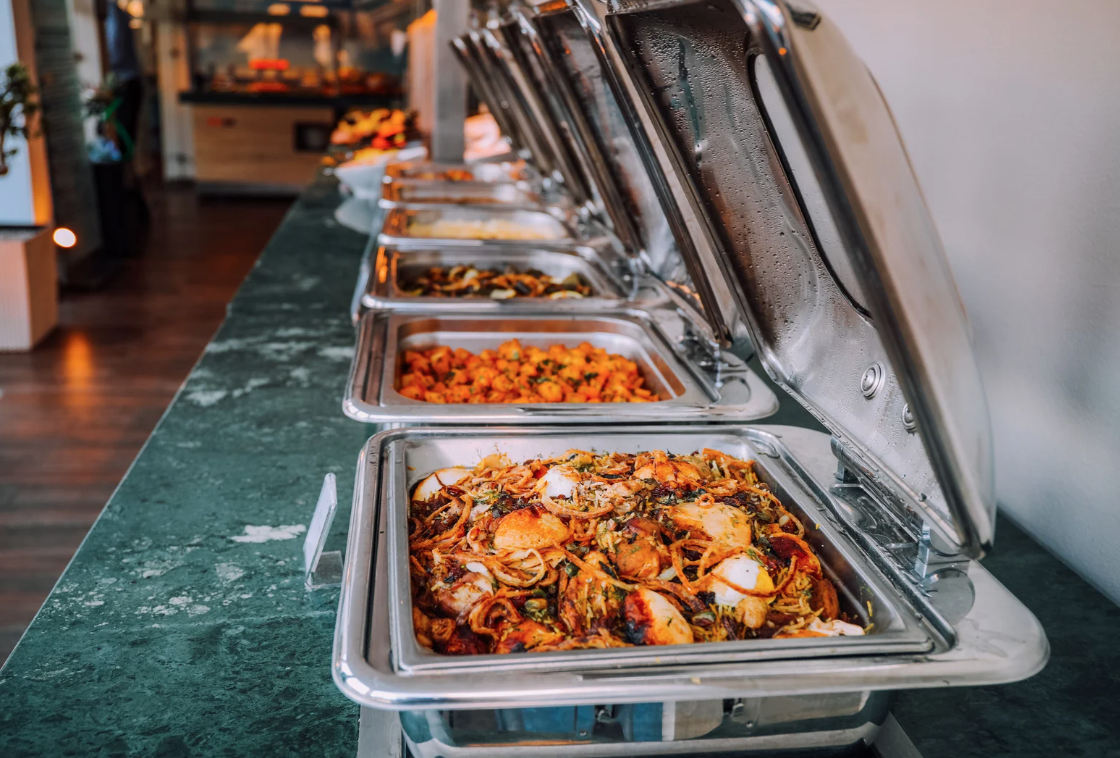
Mixed culture catering is an innovative approach that blends culinary influences from diverse cultures, creating a rich tapestry of flavors and textures. From the aromatic spices of Indian cuisine to the fresh ingredients of Mediterranean dishes, mixed culture catering celebrates the diversity of global cuisine. This culinary art form not only tantalises the taste buds but also showcases the beautiful convergence of traditions.
B. Benefits of Mixed Culture Catering
The benefits of mixed culture catering are manifold:
- Enhanced Flavor Profiles: The fusion of different culinary styles opens up a world of unique taste combinations that can delight your guests.
- Catering to Diverse Dietary Preferences: With the variety of dishes available, mixed culture catering can easily accommodate different dietary needs, from plant-based meals to gluten-free options.
- Promoting Cultural Appreciation: By offering dishes from various cultures, you provide your guests with a chance to explore and appreciate global culinary traditions, fostering a sense of connection and inclusivity.
III. The Eco-Friendly Aspect of Catering
A. What Does “Eco-Friendly Catering” Mean?
Eco-friendly catering is all about making environmentally conscious choices in food preparation and service. This includes:
- Sustainable Sourcing of Ingredients: Choosing local and seasonal ingredients minimizes the carbon footprint and supports sustainable agriculture.
- Minimising Food Waste: Implementing strategies to reduce waste, such as careful portion control and creative repurposing of leftovers, enhances sustainability.
- Reducing Carbon Footprint: By prioritising eco-friendly practices, caterers can significantly reduce their environmental impact.
B. Eco-Friendly Practices in Catering
To maintain eco-friendliness, catering services can adopt several practices, such as:
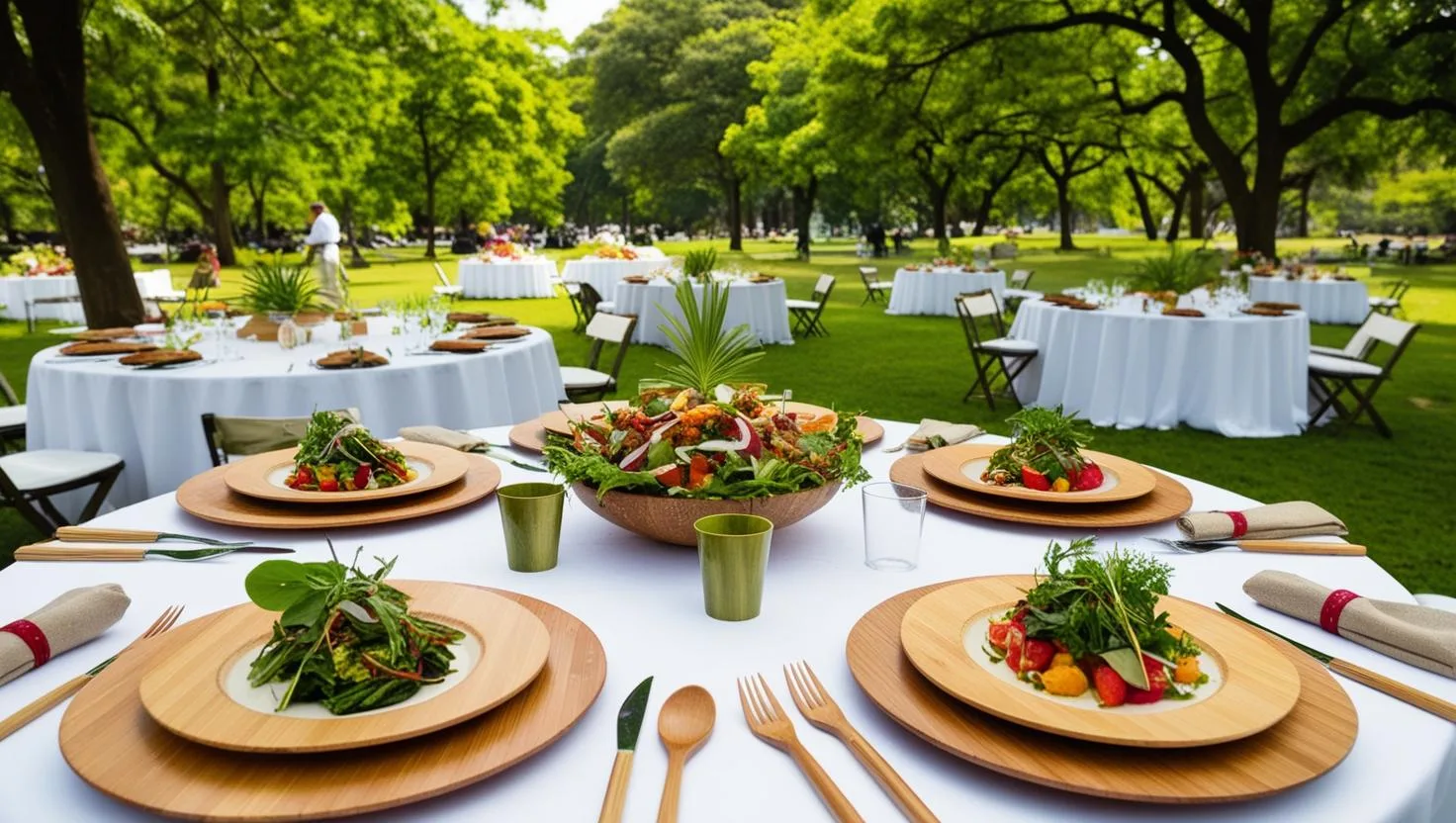
- Use of Biodegradable and Compostable Serving Materials: Opting for eco-friendly utensils and servingware can greatly reduce plastic waste at events.
- Implementing a Zero-Waste Principle: Striving for zero waste involves thoughtful planning and preparation to ensure that every part of the meal is utilised thoughtfully.
- Supporting Local Farmers and Producers: Sourcing ingredients from local farmers not only boosts the economy but also cuts down on transportation emissions.
IV. Importance of Organic Ingredients
A. Definition of Organic Ingredients
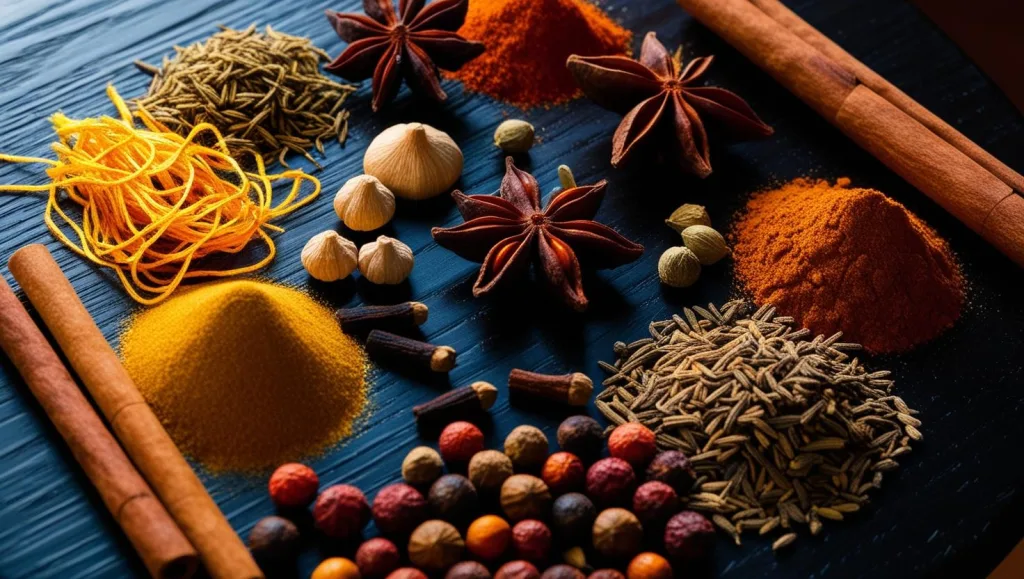
Organic ingredients are products cultivated without synthetic pesticides, fertilisers, or genetically modified organisms (GMOs). They are grown using methods that promote environmental sustainability and biodiversity.
B. Health Benefits of Organic Foods
Choosing organic foods comes with several health benefits:
- Free from Synthetic Pesticides and Fertilisers: Eating organic means reducing your exposure to harmful chemicals that can impact your health.
- Richer in Nutrients: Studies suggest that organic produce may have higher antioxidant levels and better nutrient profiles compared to conventionally grown items.
C. Environmental Impact of Choosing Organic
Opting for organic ingredients supports sustainable farming practices:
- Sustainable Farming Practices: Organic farming promotes soil health and reduces pollution, fostering a healthier ecosystem.
- Soil Health and Biodiversity: Organic farming techniques enhance soil fertility and support a diverse range of flora and fauna.
V. Curating an Eco-Friendly Mixed Culture Menu
A. Designing a Menu with Diverse Cultural Influences
Creating your mixed culture menu can be a thrilling adventure. Consider examples such as:
- Moroccan Spiced Couscous with Mediterranean Vegetables
- Indian Coconut Curry with Local Seasonal Produce
- Italian Caprese Salad featuring Heirloom Tomatoes
B. Tips for Pairing International Flavors with Organic Ingredients
Thoughtfully pair organic ingredients with your chosen cultural flavors to enhance the overall experience. For instance, fresh organic herbs can elevate a dish by adding depth and aroma.
C. Incorporating Dietary Restrictions and Preferences
Be mindful of dietary restrictions. Offering options that account for vegetarian, vegan, and gluten-free diets ensures that every guest can indulge in your culinary creations.
VI. Case Studies and Success Stories
Consider the inspiring examples of successful eco-friendly mixed culture events:
- Weddings that Combined Indian and Italian Flavors: Celebrating the cultures of two families through a beautifully integrated menu.
- Corporate Events Focusing on Local Ingredients: Highlighting regional specialties as part of a sustainability initiative.
Clients and chefs alike have shared glowing testimonials about the positive impact of making eco-conscious catering choices, both for the environment and their gatherings.
VII. Conclusion
Eco-friendly mixed culture catering is a delicious way to celebrate diversity while caring for our planet. By choosing sustainable practices and organic ingredients, you not only enrich the culinary experience but also contribute to a healthier environment. We encourage you to explore this exciting catering option for your next event.
Looking for eco-friendly caterers or local organic suppliers? Check out our additional resources below!
VIII. Additional Resources
- Links to Organic Ingredient Suppliers
- Recommended Eco-Friendly Catering Companies
- Further Reading on Sustainable Cooking Practices and Mixed Culture Cuisine
IX. Comments Section
We’d love to hear from you! Share your experiences with eco-friendly catering or your favorite sustainable dishes in the comments below. Let’s create a community of like-minded individuals passionate about food, culture, and sustainability!